

Most frequently searched

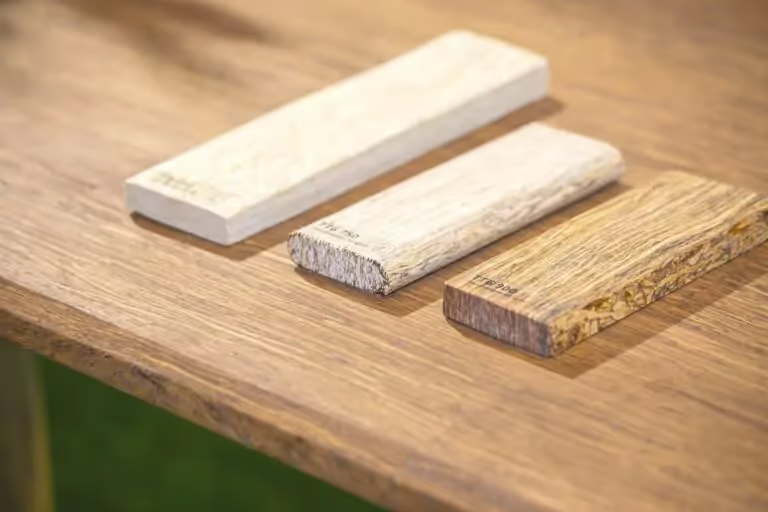
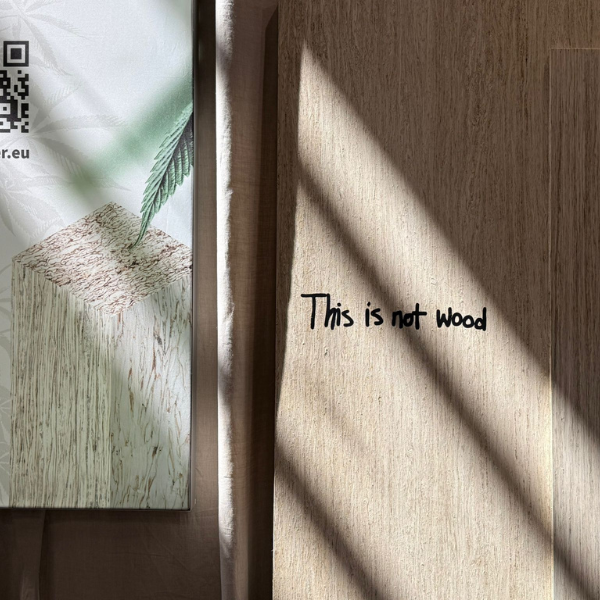
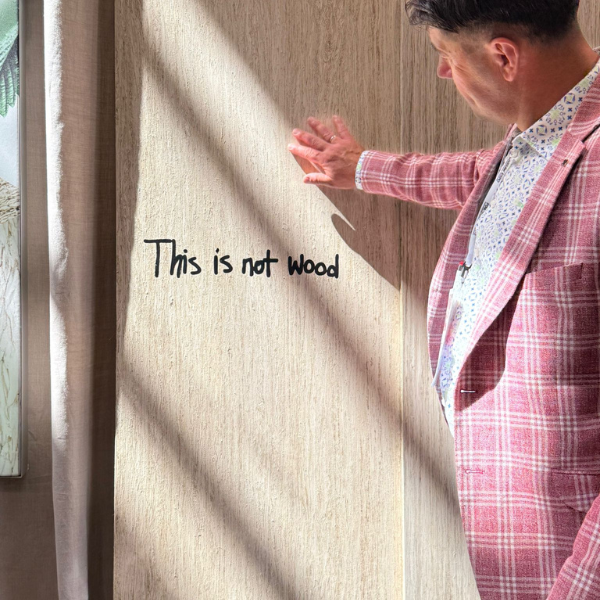
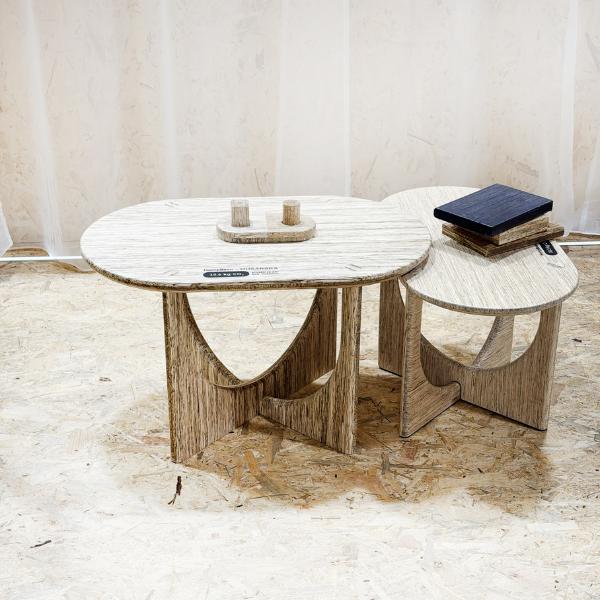
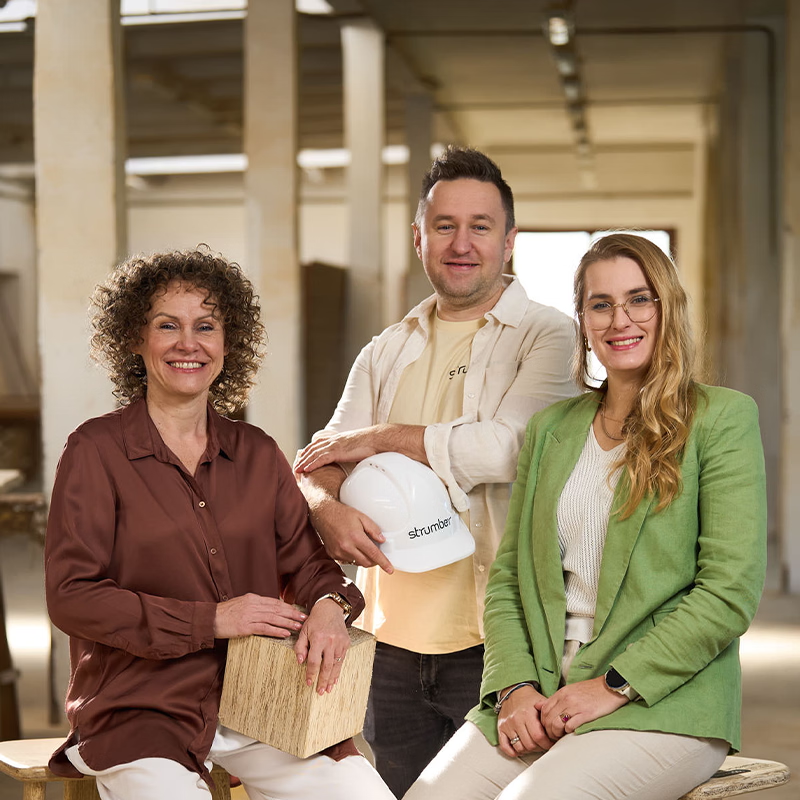
Strumber was born from a deep passion for environment, technology, and… agriculture. Frustrated by the inefficiency of traditional farming waste, we saw an opportunity where others saw a problem: the straw that remained after harvest. Through innovative approach to traditional materials and new technologies we turned, what others regarded as agricultural by-product into revolutionizing natural material, that stores CO2 and outperforms wood with its mechanical properties and captivating décor.
Building on this discovery, we embarked on a multi-year journey of research, experimentation, and collaboration with experts in material science and sustainable engineering. Step by step, we refined a process that preserves and exposes the naturally beutiful structure of straw, while enhancing its performance - using only clean, energy-efficient methods and zero harmful chemicals. Through continuous prototyping and real-world testing, we developed a proprietary technology that not only unlocks the full potential of annual plants, and revolutionizes wood industry. Today we do not need to cut 100-year old trees to satisfy our desire for natural, aesthetic, wooden objects. Thanks to Strumber, we can make them from annual plants - grown anew each year.
We believe the future of natural materials grows from the ground each year - and we’re committed to shaping that future responsibly.
The team began experimenting with plant-based materials derived from agricultural waste, focusing primarily on straw. Early prototypes explored how annual plants could be transformed into a structural, wood-like composite without relying on timber. These initial tests laid the technological foundation for what would later become the Strumber material family.
The True Green won 1st place in the Environment category at the European Economic Congress in Katowice. The award recognized the company’s pioneering work in developing renewable, carbon-absorbing materials from annual plants. This achievement brought international attention and validated our mission.
Later that year, the company opened its dedicated R&D Center in Turka, creating a specialized environment for material innovation. The facility enabled controlled, systematic research on annual-plant composites. It became the core hub for testing fibers, binders, processes and durability.
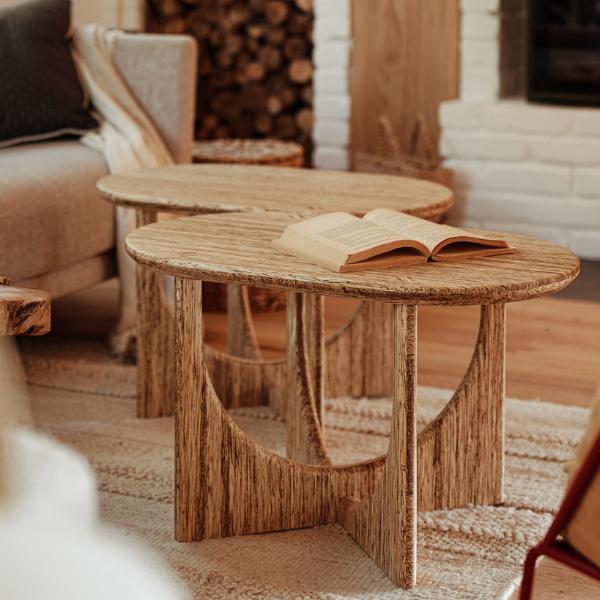
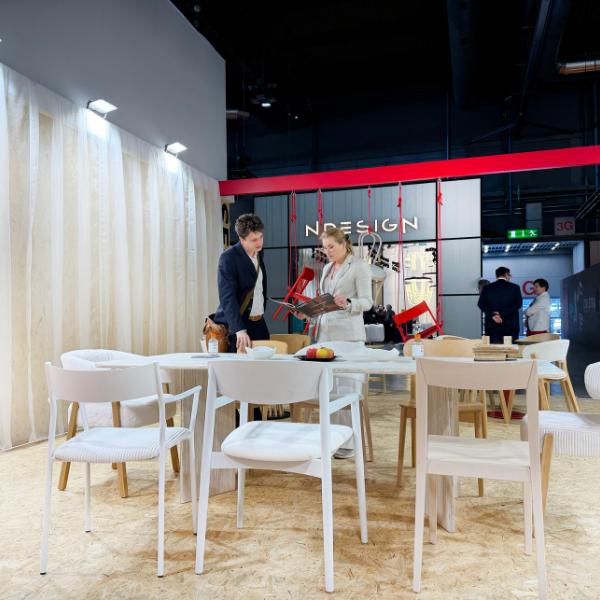
The first furniture pieces made from Strumber were enthusiastically received at leading design fairs and exhibitions in Poland and abroad, including: Milan Design Week, Vienna Design Week, Dutch Design Week, 4 Design Days, Gdynia Design Days, Łódź Design Festival, Furnitech, Drema and Warsaw Home
Strumber entered leading material libraries in London, Dubai, and Prague, joining the collections of globally recognized innovation hubs. This placement greatly expanded the material’s visibility among architects, designers and manufacturers worldwide. Being part of these curated libraries validated Strumber’s uniqueness and technical merit. It helped position the material alongside cutting-edge sustainable alternatives shaping the future of design.
The company officially registered 26 industrial designs and the trademark STRUMBER®, a name created by combining the words straw and lumber. The material name reflects the essence of the technology: transforming agricultural by-products into structural, wood-like composites. Registration strengthened the company’s identity and protected its growing intellectual property.
At Milano Design Week 2024, one of the world’s most influential design festivals, the HempSolo was officially premiered to a global audience. The project received significant attention from designers, architects and media. That same year, Strumber materials received a Green Product Award nomination and the Seoul Design Award, confirming their international relevance.
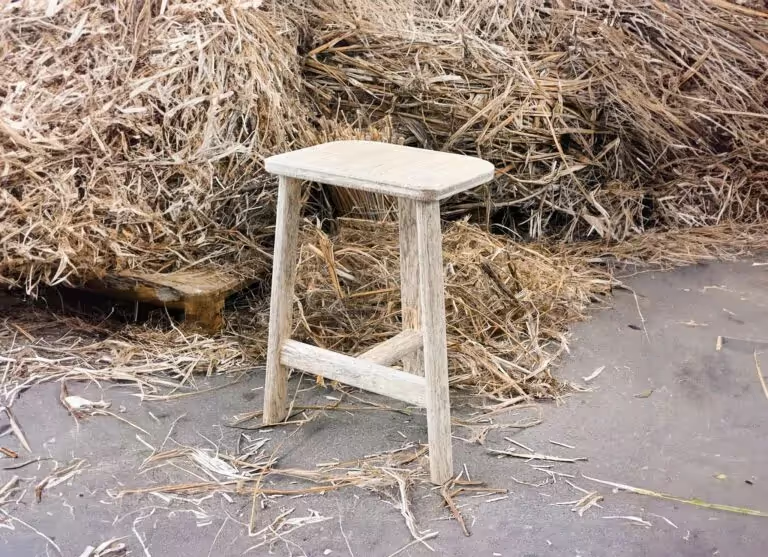
During Milano Design Week 2025, the company presented LinStool, the first furniture piece made from Strumber Flax. This premiere proved the adaptability of our technology to different plant sources, not only hemp. The new material brought a darker color palette and unique fiber structure, inspiring fresh aesthetic possibilities.
Both Strumber Flax and Strumber Hemp became part of the official exhibition in the Polish Pavilion at Expo 2025 Osaka. This global showcase positioned the materials among the most forward-thinking innovations presented by Poland. It highlighted their potential impact on future sustainable industries.
The opening of the company’s first full-scale production facility in Tarnawatka marked a major turning point. The new plant enabled industrial-level manufacturing of Strumber materials, meeting the growing demand from the furniture, design, and construction sectors. It represented a shift from R&D and limited editions to scalable, commercial production.
The first furniture pieces made from Strumber were enthusiastically received at leading design fairs and exhibitions in Poland and abroad, including: Milan Design Week, Vienna Design Week, Dutch Design Week, 4 Design Days, Gdynia Design Days, Łódź Design Festival, Furnitech, Drema and Warsaw Home.
Our innovation has been recognized in numerous prestigious national and international competitions. Strumber was a finalist of the Seoul Design Award, nominated for the Green Product Award, and featured in the Green Trend Book 2024. The project has earned distinctions in EEC StartUp Challenge, Huawei StartUp Challenge, InCredibles by Sebastian Kulczyk, and Crystals of the Polish Economy. Strumber has been included in prestigious material libraries, including Colab.digital in Dubai and matériO Group in Paris, Prague, Seoul, Geneva and Hong Kong.
A true honor came with our participation in Expo 2025 in Osaka, where Strumber Flax and Strumber Hemp was showcased in the Polish Pavilion’s “Plantation of Ideas” exhibition for six months.
Contact us and discover its potential

👉 To see your live feed, please publish your site and check the published page.