

Most frequently searched

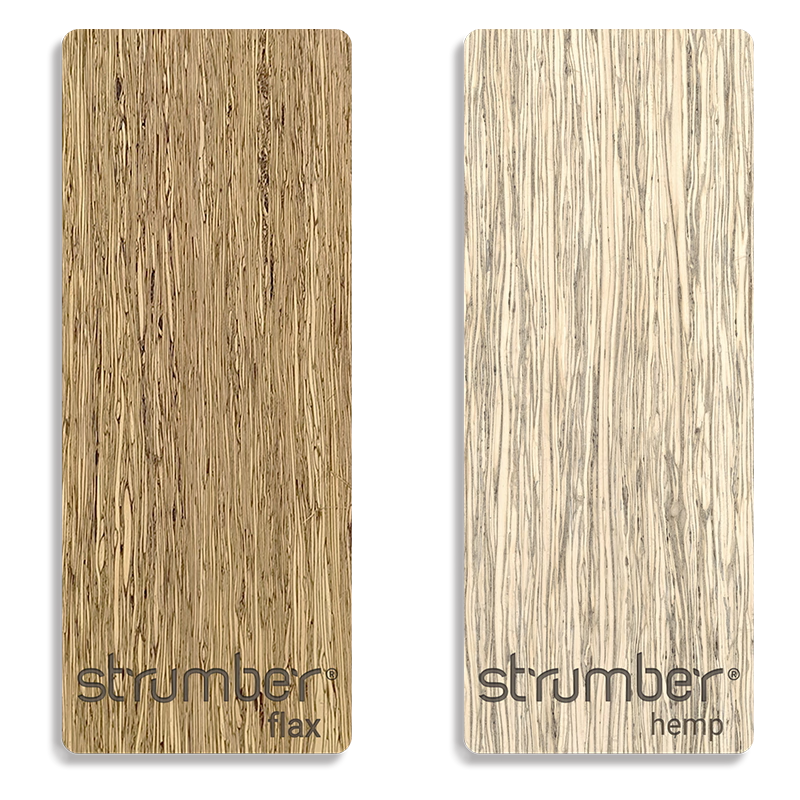
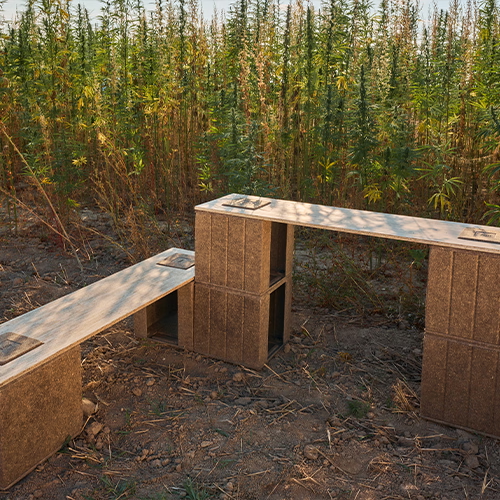
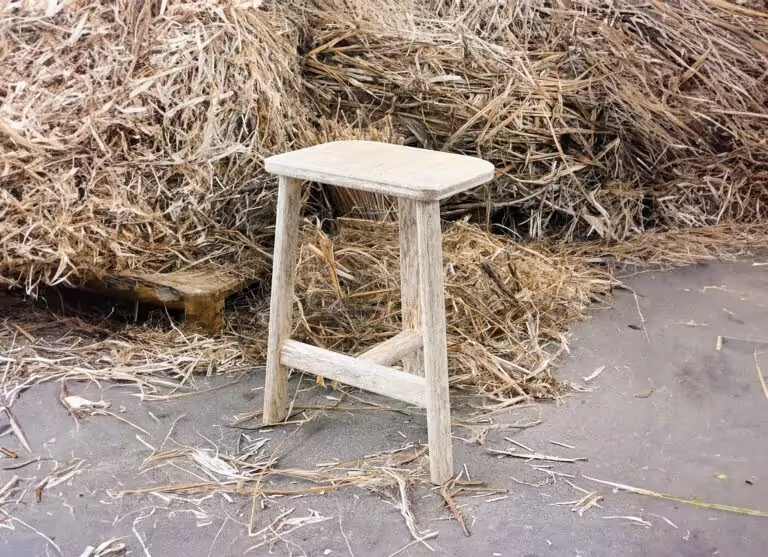
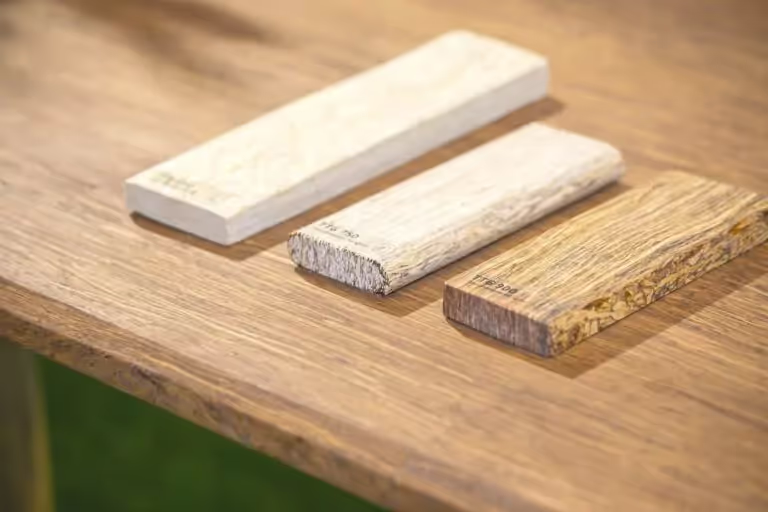
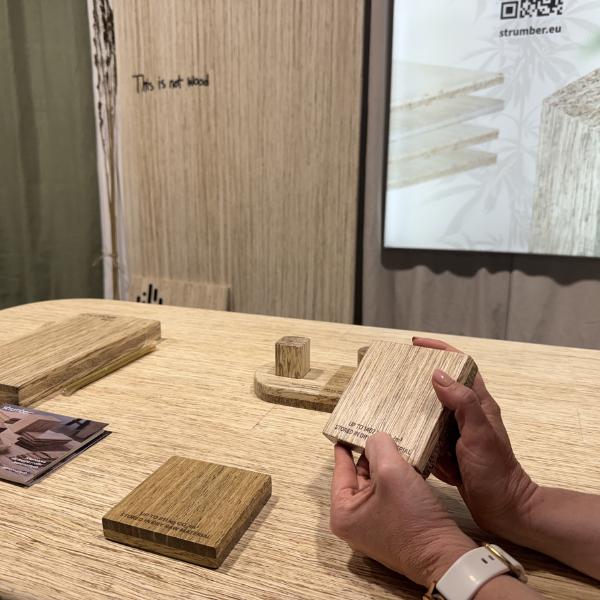
Strumber is a revolutionary, plant-based alternative to wood, created from annual plants such as hemp and flax. This innovative material absorbs up to 1,689 kg of CO₂ per cubic meter. It is environmentally friendly, visually appealing, and exceptionally durable, making it suitable for the production of furniture and interior design elements.
By utilising agricultural by-products such as straw, Strumber reduces the demand for traditional wood and helps prevent excessive deforestation.
The name Strumber comes from the English words straw and lumber.
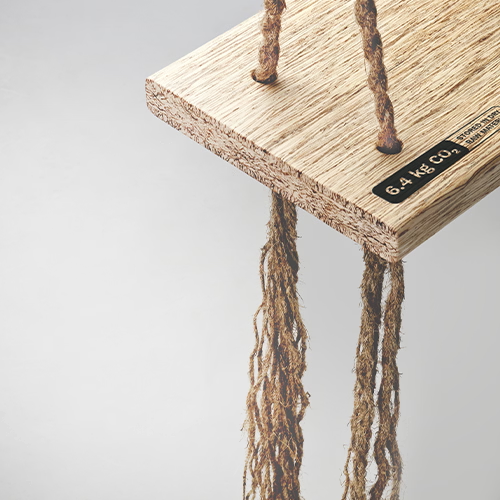
Strumber is a material that, during plant growth, absorbs CO₂ from the atmosphere intensively, up to 1,689 kg* per cubic metre, several times more than trees.
The captured carbon dioxide is permanently stored in the finished lumber, giving the material a negative carbon footprint and making a significant contribution to reducing greenhouse gas emissions.
* CO₂ absorption per m³ for hemp-based product with a density of 900 kg/m³
Strumber contains no harmful formaldehyde- or melamine-based resins, making it completely safe for children and people with allergies.
It performs perfectly in all types of interiors—from residential homes to public buildings. The material is hypoallergenic, emits no volatile organic compounds (VOCs), and helps maintain a healthy indoor climate.
The cultivation of industrial hemp used to produce Strumber is highly efficient and environmentally friendly. In just 150 days after sowing, the plant reaches maturity and is ready for harvest — several times faster than traditional trees, which require decades to grow.
After harvesting, hemp stalks undergo a natural retting process, allowing the fibres to be separated from the woody part of the plant. The raw material is then dried and prepared for pressing — without the use of toxic adhesives.
Another important advantage is that hemp absorbs large amounts of CO₂ during growth, and its cultivation does not require pesticides.
Using Strumber significantly helps meet environmental ESG criteria. It is tangible proof of your commitment to the planet, enhancing your company’s transparency and appeal to investors focused on sustainable development. This, in turn, strengthens your market position and investor relations.
Strumber perfectly aligns with the requirements of the Digital Product Passport (DPP), which will soon become mandatory across the EU. Thanks to its natural origin, zero emissions, and biodegradability, it makes it easy to demonstrate that your product was produced responsibly. This is a straightforward way to comply with new regulations while building a competitive advantage.
Strumber is a material whose use demonstrates a responsible choice with respect to environmental impact throughout its entire lifecycle, in accordance with the EPD (Environmental Product Declaration) directive. It helps your product stand out in the market and shows that you choose responsible, low-emission, and biodegradable solutions.
Using Strumber Hemp significantly improves Life Cycle Assessment (LCA) results, making it easier to document the low environmental impact of your product. Its natural properties — including an exceptionally high CO₂ absorption capacity — make it five times more effective in this regard than forests. This provides a tangible advantage in environmental reporting and brand communication.
Safely
Companies that choose Strumber actively avoid the risks associated with the new EUDR legislation. By investing in a plant-based alternative to wood from annual plants, you can be confident that you are supporting responsible supply chains while minimizing legal and reputational risks for your investments.
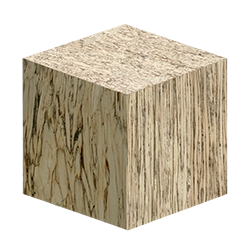
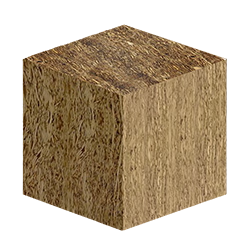
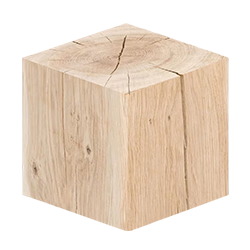
approx. 18–25 t CO₂/ha
approx. 10 t CO₂/ha
approx. 4–5 t CO₂/ha
150 days from sowing
100 days from sowing
35–60 years
easily renewable
easily renewable
difficult to renew
up to 14 m³/ha
up to 6.5 m³/ha
up to 5 m³/ha
400 - 1250 kg/m³
900 - 1250 kg/m³
720 - 740 kg/m³
85%
85%
40%
A
A
ABC
approx. 18–26 t CO₂ / ha
150 days from sowing
easily renewable
up to 14 m³ / ha
400 - 1250 kg/m³
85%
A
approx. 10t CO₂ / ha
100 days from sowing
easily renewable
up to 6.5 m³ / ha
400 - 1250 kg/m³
85%
A
approx. 4–5 t CO₂ / ha
35–60 years
difficult to renew
up to 5 m³ / ha
720 - 740 kg/m³
40%
ABC
Zero formaldehyde – safe for human health

Strumber does not contain formaldehyde resins, which helps support healthy indoor air quality. It’s a conscious choice for homes, offices, and public spaces where user comfort and environmental responsibility matter. The material is made from annual plants, combining safety with respect for nature.
Minimal adhesive content
At Strumber, we minimize the amount of binders — keeping it below 5% — and use only 100% plant-based, natural ones. Fewer adhesives and a bio-based composition mean a lower environmental footprint, easier recycling, and a material closer to nature.
Biodegradability
Strumber is made from plant biomass, so it can biodegrade at the end of its life cycle. The decomposition process occurs when the material is shredded and exposed to oxygen, moisture, and microorganisms. The scale and rate of biodegradation depend on the composition of the specific material variant and the conditions of the process.
Compostable According to Standards
Strumber can be directed to industrial composting (after preliminary shredding), where it breaks down under controlled temperature and humidity conditions into biomass, CO₂, and water. This process facilitates a zero-waste material cycle and helps reduce the environmental footprint of the product. Compostability can be verified through testing in accordance with relevant standards (e.g., EN 13432 / EN 14046 / ISO 14855).
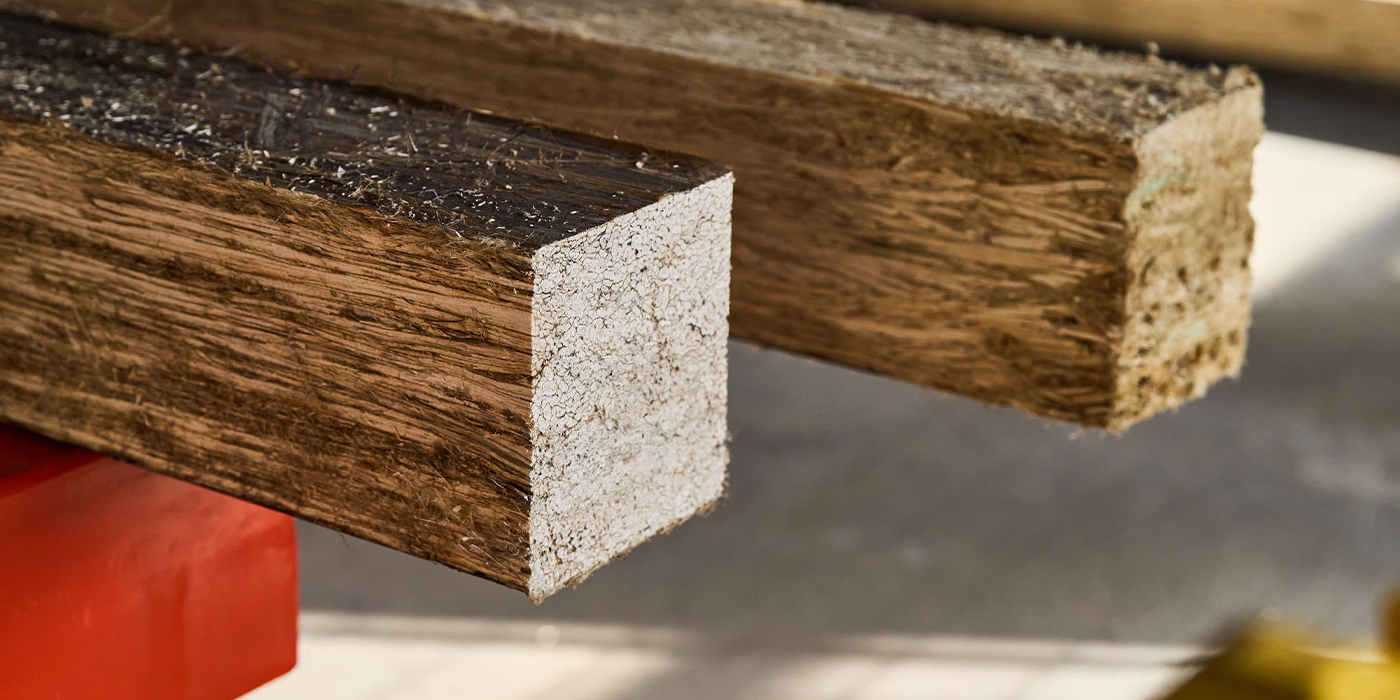
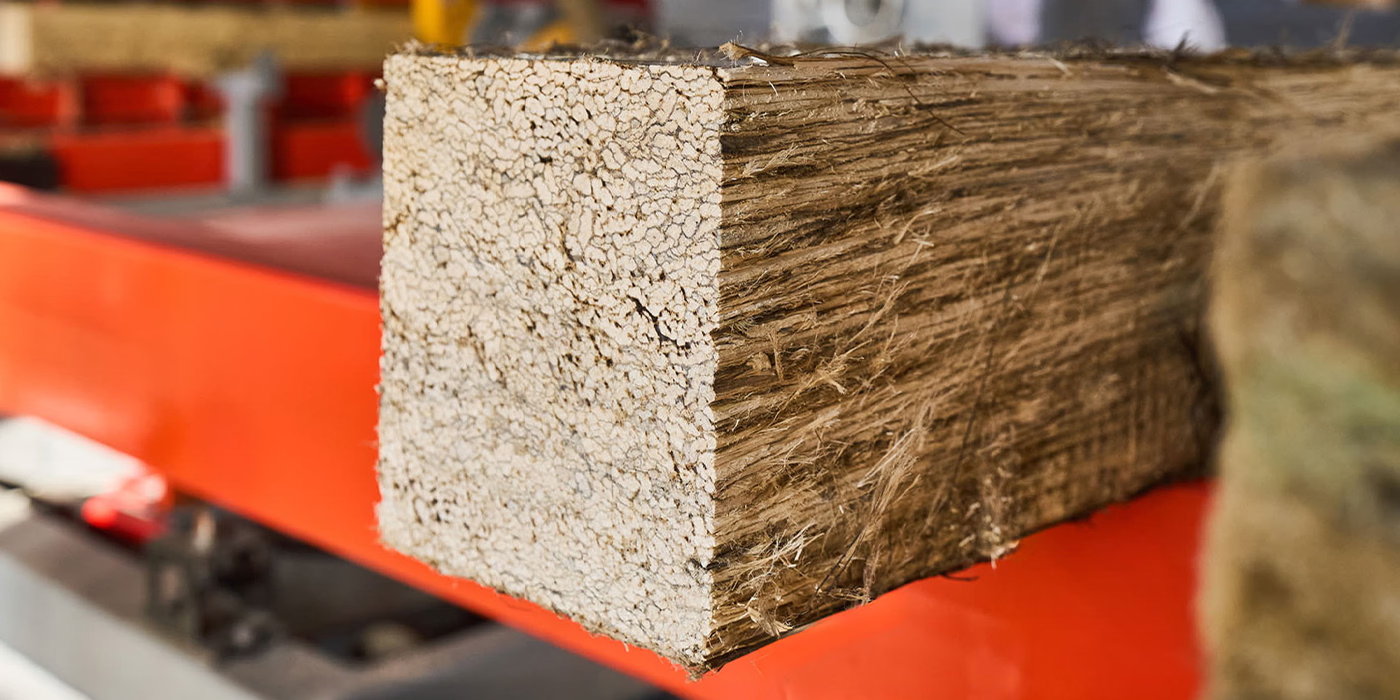





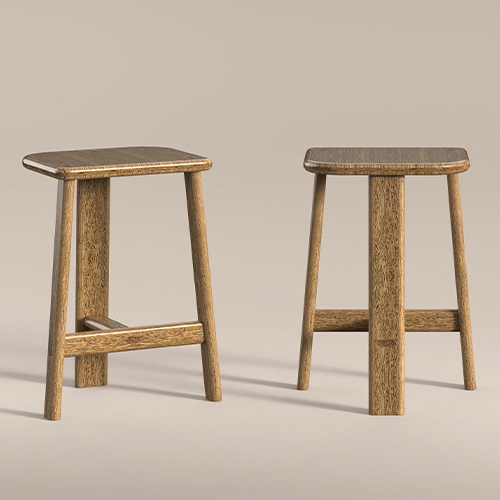
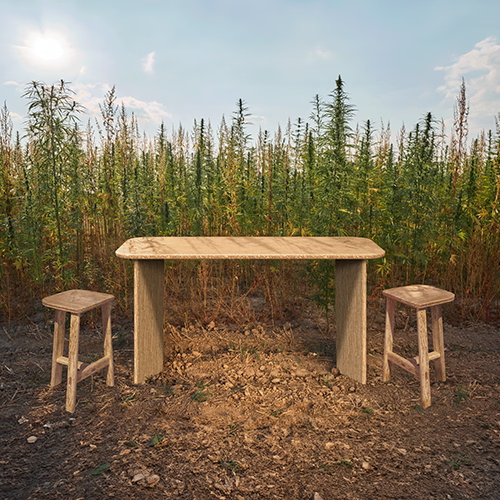
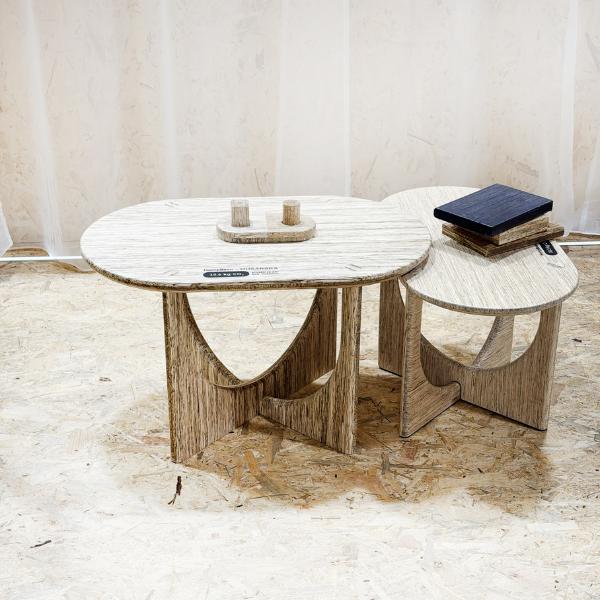
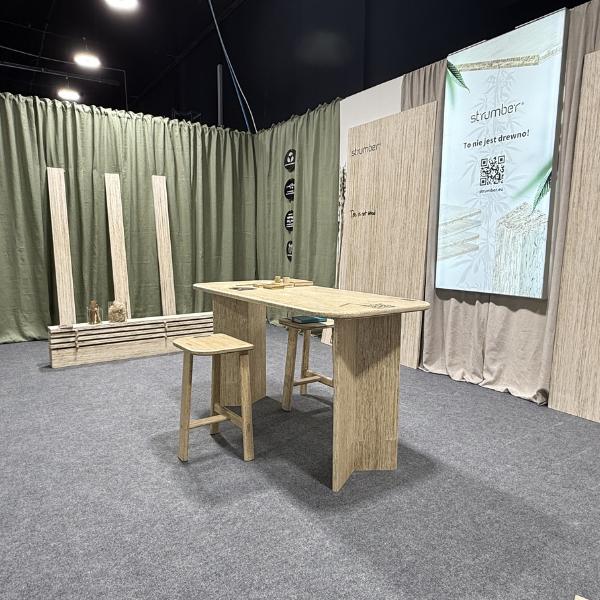
Strumber is an ideal substitute for hardwood (oak, beech, ash, walnut) and can be used in the production of furniture, doors, flooring, stairs, and wall cladding.
Strumber is recommended for indoor use only.
Yes, Strumber can be stained or lacquered using the same products as those used for wood finishing.
If your company builds its image around ESG principles, Strumber aligns with both the environmental and social aspects. If your goal is to achieve the lowest possible carbon footprint, Strumber enables this to a much greater extent than wood.
Our woodworking experts are available to provide support, both on-site training for your team and online training sessions.
Strumber is made from the stems of hemp and flax. We also plan to test straw from other annual plants such as rapeseed, sunflower, corn, miscanthus, and sorghum.

👉 To see your live feed, please publish your site and check the published page.